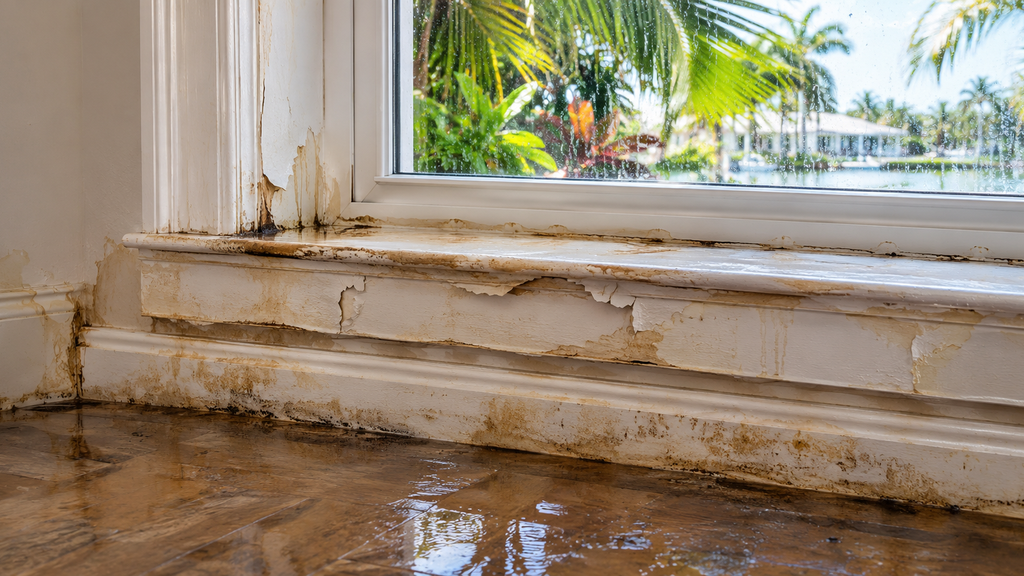
Flooding leaves behind more than waterlines on the walls. For homeowners along Florida’s East Coast, the aftermath of storm surge, heavy rainfall, or coastal water intrusion often means weeks of difficult decisions — and some of the hardest ones involve the materials you interact with every day: interior doors, baseboards, and trim.
Knowing what can realistically be saved, and what should be replaced, can protect your home’s structure, your indoor air quality, and your long-term investment.
What Can Potentially Be Salvaged
Not all water-damaged materials are a total loss. Solid wood interior doors, for example, may be salvageable if they were exposed to water for a short period and dried thoroughly and quickly. The same applies to solid wood trim and casing — if the wood hasn’t visibly warped, split, or developed soft spots, a professional assessment may determine it can be dried, refinished, and reused.
The key factors are material type, exposure duration, and how quickly drying began. Homes that were ventilated and dried within the first 24 to 48 hours after water intrusion generally have better outcomes than those that remained closed and humid for several days.
That said, even materials that look intact on the surface can harbor moisture inside. A door frame that feels dry to the touch may still have elevated moisture content inside the wood — and that creates conditions where mold can develop over time.
What Should Typically Be Replaced
Hollow-core interior doors are among the first casualties of flooding. They absorb water quickly, swell, and rarely return to their original shape or function. In most cases, replacement is the more practical and cost-effective choice.
Baseboards and door casings made from MDF, particleboard, or composite materials are similarly vulnerable. These products are engineered for interior use under normal conditions — they are not designed to withstand moisture exposure. Once they swell or delaminate, no amount of drying will restore their structural integrity or appearance.
Paint and caulk can also mask damage that isn’t visible until mold becomes a problem. If your baseboards feel soft, sound hollow, or show any discoloration along the bottom edge, replacement is usually the right call.
Protecting Your Home’s Envelope Going Forward
Interior repairs are only part of the recovery picture. Water that enters a home through the exterior — around windows, beneath door thresholds, through aging seals or compromised frames — is a problem that interior work alone cannot solve.
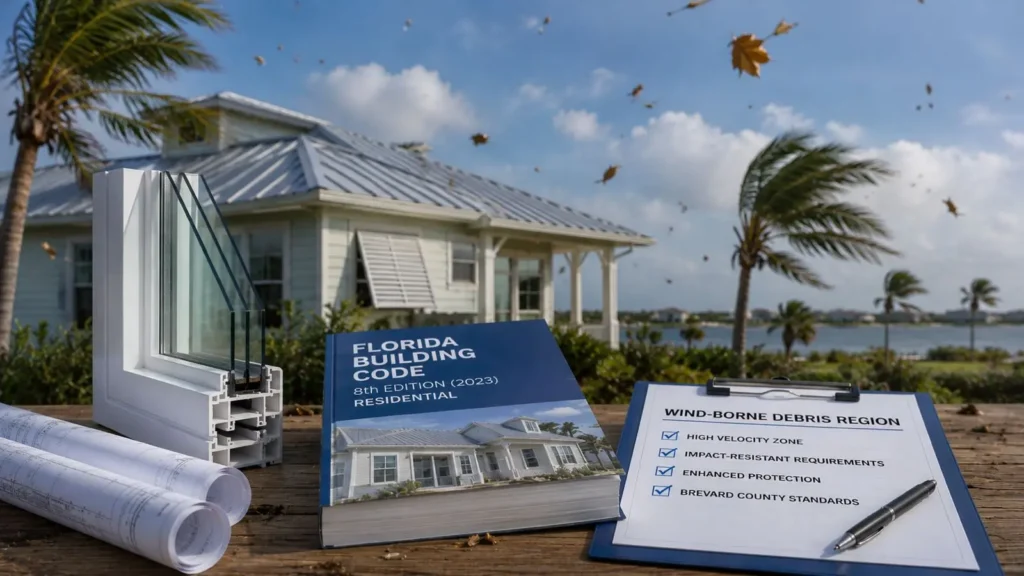
Your home’s exterior envelope includes your windows, entry doors, sliding glass doors, and the transitions between them and your walls. When any of these components are worn, improperly sealed, or not rated for coastal conditions, water intrusion becomes a recurring issue rather than a one-time event.
It’s worth noting that windows and doors are one part of a larger system. Attic insulation, roofing, and ductwork all play a role in how your home manages moisture and weather. A thorough assessment looks at the full picture.
IKON Windows and Doors serves homeowners across Melbourne, Satellite Beach, Indian Harbour Beach, and Brevard County. If you’re in the process of recovering from storm or flood damage and want to understand the condition of your exterior windows and doors, we offer a free on-site consultation — no pressure, just honest guidance from a local team that knows this coastline.
Visit ikonflorida.com to schedule your consultation and take the next step toward a home that’s built to handle what Florida brings.